
Interpreting Your DISC Assessment Test Results: What They Really Mean

Introduction Understanding yourself is one of the most powerful tools for personal and professional growth. That’s exactly what the DISC assessment test from Your Life’s Path is designed to do. Many people take the test but are often left wondering what their results actually mean. Additionally, they question how to use them. The DISC model focuses on four main personality traits—Dominance, Influence, Steadiness, and Conscientiousness. Each person’s results show a unique combination of these traits. This paints a clear picture of how they think, communicate, and behave in different situations. Interpreting these results can improve relationships, decision-making, teamwork, and even leadership skills. This article will break down what your DISC results really mean. It will also explain how you can use them to thrive in life and work. Breaking Down the Four DISC Personality Types The DISC model divides personality into four primary categories. Dominance (D) represents people who are direct, results-driven, and focused on challenges. Influence (I) describes individuals who are enthusiastic, persuasive, and people-oriented. Steadiness (S) is about those who are calm, dependable, and great at supporting others. Finally, Conscientiousness (C) highlights people who are detail-oriented, analytical, and motivated by accuracy. While most people lean toward one or two of these traits, your DISC results often show a mix. This mix represents your natural and adapted styles. Knowing which category stands out in your results helps you understand how you approach problem-solving, communication, and stress. For example, a strong D might thrive in leadership roles. Meanwhile, a high S might excel at building stable, long-term relationships. This breakdown makes the DISC assessment test from Your Life’s Path more than just labels—it’s a roadmap to your personal tendencies. What a High Score in Each Category Means Each DISC category has its strengths and potential blind spots. High Dominance scores suggest someone who enjoys taking charge, solving problems quickly, and staying competitive. However, they may struggle with patience and listening. High Influence scores reveal a person who loves social interaction and inspiring others. They also thrive in team settings, but they may overlook details or become overly optimistic. A strong Steadiness score means someone values loyalty, cooperation, and consistency. Yet they may resist sudden change or avoid confrontation. Lastly, high Conscientiousness shows careful thinkers who prioritize quality and precision. Though they can sometimes overanalyze or appear overly critical. Understanding where you scored high allows you to recognize both your natural gifts and the areas that need balance. This insight helps you adapt your style when working with others who may score differently. It improves collaboration and trust. How to Apply Your DISC Results at Work One of the most practical uses of your DISC results is in the workplace. Teams thrive when people understand each other’s communication styles. For instance, a manager with a high D score can learn to slow down when giving instructions. This is important for a high S employee, who may prefer more time and support to adjust. A high I employee can use their enthusiasm to motivate the team. Meanwhile, a high C can ensure accuracy in reports and processes. By interpreting your results carefully, you can adapt how you interact with others to reduce conflict. This builds stronger professional relationships. Many companies even use DISC to guide hiring, training, and leadership development. Understanding your DISC profile improves your performance and contributes to a healthier workplace culture where every personality type has a role. Using DISC to Improve Personal Relationships Beyond the workplace, the insights from your DISC profile can improve personal and social relationships. People with high Influence scores often enjoy hosting gatherings and thrive on interaction. However, they may need to listen more carefully to partners or friends who are more reserved. Those with high Steadiness may bring stability and calm to a relationship, but they may struggle to voice their needs. High Dominance personalities may want to lead in decision-making. In contrast, high Conscientiousness individuals might prefer thorough discussions before making choices. Recognizing these patterns in yourself—and in others—helps you build patience, empathy, and respect. Instead of clashing over differences, you can learn to balance them. For example, when one partner brings bold ideas and the other adds careful planning, together they can create a strong, well-rounded team. This is the real power of interpreting DISC—it gives you the tools to better understand yourself and connect with others. Common Misunderstandings About DISC Results Although the DISC model is widely used, people sometimes misunderstand their results. Some assume that having a high score in one area means they lack strengths in the others. In reality, everyone has all four traits to varying degrees. Another common misconception is treating DISC results as fixed labels. In fact, your behaviors can shift based on context. For instance, someone who is naturally steady and calm might show more dominance in a leadership role when needed. Others may mistakenly view one personality style as “better” than another. However, each trait has unique strengths and challenges. The key is not to put yourself in a box but to use the results as a mirror. They show you where you shine and where you can grow. When understood properly, the DISC model is not about limiting yourself. Instead, it expands your self-awareness to make smarter choices in every part of life. Conclusion The DISC assessment test is more than just a personality quiz—it’s a guide to understanding how you operate, interact, and thrive. By breaking down the four categories of Dominance, Influence, Steadiness, and Conscientiousness, you gain insights into both your strengths and growth areas. A high score in any category highlights natural tendencies. Interpreting those results with care shows how you can adapt to work better with others. These insights are valuable not only in professional environments but also in personal relationships. They help you build empathy and balance. While it’s easy to misinterpret the results as rigid labels, the truth is they are flexible indicators of how you behave in different contexts. By applying what you learn
The Science Behind DISC Assessments: Personality Types Explained

Introduction Human behavior has always been a subject of deep curiosity. Why do some people prefer to lead while others enjoy following? Why do certain individuals thrive in fast-paced environments, while others excel in calm and steady situations? To answer these questions, psychologists and researchers have created tools to study personality. One of the most widely used and effective tools is known as the DISC assessment from Your Life’s Path. This method explores how people think, act, and interact in both personal and professional environments. Understanding this system can help students, professionals, and even families build stronger relationships, communicate better, and make smarter decisions in their daily lives. By uncovering the science behind DISC assessments, we can gain valuable insights into human personality and the unique strengths each person brings to the world. Learning more about the science behind DISC assessments: Personality types explained can enlighten individuals about the various personality types assessed through this method. By uncovering the science behind DISC assessments, we can gain valuable insights into human personality and the unique strengths each person brings to the world. Learning more about The Science Behind DISC Assessments: Personality Types Explained can enlighten individuals about the various personality types assessed through this method. The Foundation of DISC Theory The origins of DISC go back to the research of psychologist William Moulton Marston in the 1920s. He developed the idea that human behavior can be grouped into four main traits: Dominance, Influence, Steadiness, and Conscientiousness. Instead of labeling people as “good” or “bad,” DISC focuses on identifying natural tendencies and patterns in behavior. This system explains why some people are assertive and direct, while others are supportive and detail-oriented. The simplicity of DISC theory makes it easy to understand and apply in real-world settings. Schools, businesses, and even coaches often rely on DISC assessments from Your Life’s Path to learn more about personality styles and how different traits complement one another. By identifying these patterns, people can grow more aware of their strengths and challenges, leading to better teamwork and personal growth. Indeed, the science behind DISC assessments: personality types explained, plays a pivotal role in various fields. Dominance and Influence: The Energetic Traits The first two personality types in DISC are Dominance (D) and Influence (I). People with high Dominance are driven, confident, and goal-oriented. They like challenges and tend to take charge in group situations. They thrive on results and often focus on efficiency and success. On the other hand, those with high Influence are friendly, persuasive, and enthusiastic. They enjoy connecting with others and often motivate teams with their energy and optimism. These traits are valuable in leadership roles, sales, or any environment that requires quick decisions and strong communication. While Dominance pushes for action, Influence brings creativity and positivity to the table. Together, these two traits often form the energetic side of human behavior, driving progress and inspiring others to achieve common goals. In understanding these dynamics, the science behind DISC assessments: personality types explained, is crucial. Steadiness and Conscientiousness: The Supportive Traits The other two types in DISC are Steadiness (S) and Conscientiousness (C). People with high Steadiness are calm, patient, and reliable. They value harmony and prefer stable environments where teamwork and cooperation thrive. These individuals are often the “glue” in groups, supporting others and ensuring that everyone feels comfortable. Conscientious individuals, on the other hand, focus on accuracy, rules, and details. They like structure, logic, and precision in their work. While Steadiness helps maintain trust and balance, Conscientiousness ensures that goals are achieved with quality and consistency. In many workplaces, these traits are essential for long-term success. Without steady team members and detail-oriented thinkers, projects could easily fall apart. Together, Steadiness and Conscientiousness create a foundation of support and careful planning. Thus, the science behind DISC assessments: personality types explained continues to inform effective team dynamics. The Power of DISC in Everyday Life Understanding DISC is not just useful in psychology; it plays an important role in daily life. For example, in classrooms, teachers can use DISC assessments to identify students’ learning styles and help them achieve their best potential. In offices, managers can apply DISC theory to improve teamwork, reduce conflict, and assign tasks that fit each person’s strengths. Families can also benefit, since knowing personality styles helps in resolving arguments and strengthening relationships. DISC shows that no type is better or worse than another; instead, each trait brings unique strengths to a group. By recognizing these traits, people can build empathy and learn to communicate more effectively. The power of DISC lies in its ability to turn differences into opportunities for growth and connection. This makes it a tool that benefits not only organizations but also individuals in their personal journeys. Ultimately, understanding the science behind DISC assessments: personality types explained is a gateway to enhanced interaction and growth through empathy. Why DISC Assessments Remain Popular Even though DISC theory is almost a century old, it continues to be one of the most popular personality frameworks worldwide. The reason is its clarity and practicality. Unlike complicated personality systems that require deep psychological training, DISC is easy to understand and apply. Businesses often use DISC assessments in hiring, team-building, and leadership training programs because it provides clear results that can be acted upon immediately. People who take the assessment often gain a new sense of self-awareness, which helps them adapt to challenges and improve relationships. The continuing use of DISC across schools, companies, and communities shows its long-lasting impact. It proves that the science behind DISC is not just theoretical—it has practical benefits that continue to help people thrive in a wide range of environments. Conclusion In a world where communication and teamwork are vital, understanding personality differences is more important than ever. DISC assessments provide a scientific yet simple way to study human behavior. By identifying traits of Dominance, Influence, Steadiness, and Conscientiousness, people can discover their strengths and improve how they connect with others. The beauty of DISC lies
Top Benefits of Taking a DISC Online Test for Personal Growth
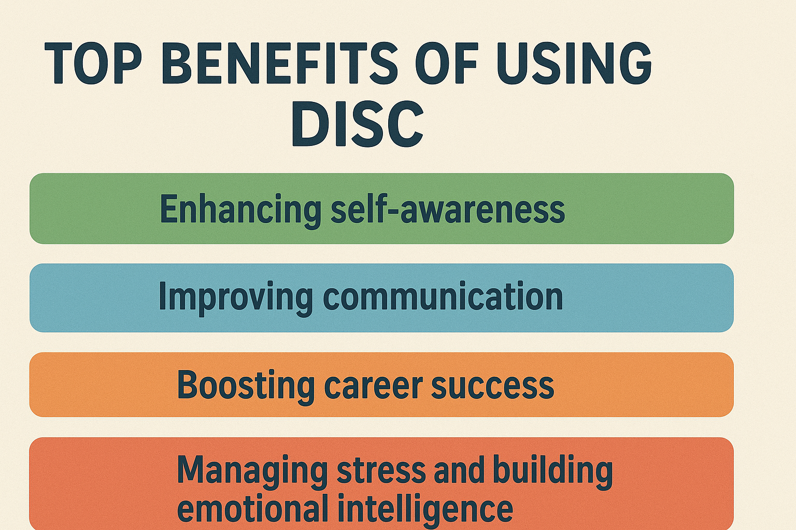
Introduction Personal growth is something that almost everyone seeks, whether it’s for improving relationships, building confidence, or excelling in a career. In today’s fast-paced world, understanding yourself has become more important than ever. One powerful tool that helps individuals gain deeper self-awareness is the DISC online test from Your Life’s Path. This assessment focuses on identifying behavioral patterns and communication styles. Unlike many personality tests that feel abstract, the DISC model is practical and easy to apply in everyday life. By taking the test, you can unlock insights that guide both your personal and professional journey. In this article, we will explore the top benefits of the DISC online test and how it can transform the way you understand yourself and others. Enhancing Self-Awareness for Personal Development The first and perhaps most significant benefit of the DISC online test from Your Life’s Path is the way it enhances self-awareness. Many people go through life without fully realizing why they behave the way they do or what triggers certain reactions. By taking this test, individuals gain a clear picture of their strengths, weaknesses, and behavioral tendencies. For example, some people may naturally be dominant leaders, while others excel in supportive roles. When you recognize your unique personality traits, you can make better decisions in relationships, career choices, and personal goals. Self-awareness is the foundation of personal growth, and without it, improvement becomes much harder. The DISC test shines a light on who you are, allowing you to embrace your true self. Improving Communication and Relationships Another powerful advantage of using the DISC online test is the way it improves communication. Many conflicts, whether in families, friendships, or workplaces, arise from misunderstandings. People often assume others think and act like they do, but that’s rarely the case. The DISC model explains why some people are more direct, while others prefer a softer, more thoughtful approach. With this knowledge, you can adjust the way you speak, listen, and respond to different personality types. This flexibility leads to healthier conversations and stronger relationships. Whether you’re talking to a coworker, a spouse, or a friend, knowing their DISC style can help you avoid tension and connect more meaningfully. Ultimately, better communication reduces stress and builds trust, which is a major step toward personal growth. Boosting Career Success and Teamwork For those focused on career development, the DISC online test is a valuable resource. In the workplace, success often depends not only on technical skills but also on how well you collaborate with others. The test reveals your natural working style and how you function in group settings. For instance, a dominant personality may excel at taking charge during a project, while a steady personality thrives in maintaining stability and harmony within a team. Employers often use DISC assessments to build balanced teams, ensuring that each member brings complementary strengths. By knowing your style, you can play to your strengths, manage challenges, and contribute effectively to team goals. This makes you a more valuable employee or leader. Personal growth isn’t just about improving at home—it’s also about creating opportunities in your career, and DISC is a proven tool for this purpose. Managing Stress and Building Emotional Intelligence Personal growth also involves learning how to handle stress and building emotional intelligence. The DISC online test gives you insight into how you respond under pressure. Some people may become more aggressive, while others may withdraw or seek harmony. Understanding these tendencies allows you to prepare strategies for dealing with stress in healthier ways. For example, if you know you tend to push others too hard when deadlines approach, you can practice patience and adjust your expectations. At the same time, the test strengthens your emotional intelligence by teaching you how to recognize emotions—both in yourself and in others. Emotional intelligence is one of the key factors for success in leadership, relationships, and overall happiness. By improving this skill, you gain more control over your reactions, making you calmer and more resilient. Conclusion The journey of personal growth is unique for everyone, but tools like the DISC online test provide a strong starting point. By boosting self-awareness, improving communication, enhancing career success, and building emotional intelligence, the test offers benefits that go far beyond just a simple assessment. It helps individuals understand themselves more deeply while also learning how to better connect with others. Whether you’re trying to grow personally, succeed professionally, or strengthen relationships, DISC provides a roadmap for improvement. Personal growth is a lifelong journey, and the insights gained from DISC make that journey clearer and more rewarding. Taking the time to understand your personality is one of the most valuable investments you can make in yourself, and with DISC, the path to becoming your best self becomes more achievable than ever.
How the DISC Test Helps Improve Workplace Communication

Introduction Communication is the backbone of every workplace, whether it’s a small business, a startup, or a large corporation. Without effective communication, teams struggle to work together. Projects get delayed, and misunderstandings occur more often. In today’s modern workplace, organizations look for tools that help employees understand one another better, such as the DISC test, which also illustrates how the DISC test helps improve workplace communication and builds stronger relationships. One of the most widely used tools is the DISC test from Your Life’s Path. It is a personality assessment that highlights differences in communication styles, work preferences, and behavioral patterns. By learning about these differences, employees can adapt their approaches to better collaborate with colleagues, managers, and clients. This article explores in detail how the DISC test improves workplace communication. It also examines why it is important and outlines the positive outcomes companies can expect when they integrate this tool into their professional environment. Understanding the DISC Test in Workplace Settings The DISC test is based on a simple yet powerful model. It categorizes people into four main personality styles: Dominance, Influence, Steadiness, and Conscientiousness. Each style is unique, with its own strengths, challenges, and ways of communicating. For example, people with a Dominance style often prefer direct, results-oriented communication. Meanwhile, those with an Influence style enjoy open, enthusiastic interactions. On the other hand, employees with a Steadiness style value patience and consistency in conversations, and those with a Conscientiousness style appreciate details, structure, and accuracy. Understanding these styles helps employees identify not just their own communication preferences but also the preferences of others. When individuals recognize these differences, they are less likely to misinterpret a colleague’s tone or intentions. This reduces conflict and builds mutual respect. In this way, the DISC test from Your Life’s Path acts like a guidebook. It simplifies complex workplace interactions, making teamwork more natural and productive. How the DISC Test Enhances Team Collaboration Collaboration in the workplace often becomes challenging when people have different expectations or approaches to communication. Some team members may want to jump straight into action, while others may prefer thorough planning before making a move. Without awareness, these differences can create frustration. However, by using the DISC test, teams learn how to balance these styles. For instance, a leader with a Dominance style may become more mindful of giving quieter team members time to share their opinions. Meanwhile, those with a Steadiness style may learn to adapt to faster decision-making when necessary. Teams that use DISC often experience smoother discussions, fewer misunderstandings, and more effective brainstorming sessions. The ability to identify each member’s natural strengths allows managers to assign roles more wisely. For example, detail-oriented employees can handle tasks requiring precision, while high-energy communicators handle presentations or client-facing responsibilities. This way, the DISC test doesn’t just improve communication—it builds synergy, where every member feels understood and valued. Building Stronger Leadership through DISC Insights Leadership in the workplace is not only about giving instructions or setting goals. It’s also about understanding how to inspire and connect with people. The DISC test gives leaders valuable insight into how their communication style influences their team. For example, a manager who is very detail-focused and cautious might unknowingly overwhelm team members who prefer quick, high-level discussions. Similarly, a highly assertive leader might unintentionally intimidate employees who need a more supportive approach. By recognizing these differences, leaders can adjust their communication style depending on the needs of each individual or situation. This flexibility creates trust, boosts morale, and prevents miscommunication. In addition, when leaders use the DISC test results to guide conversations during performance reviews or conflict resolution, employees often feel more respected and heard. Over time, this leads to a more positive work culture. Employees are motivated to share ideas and collaborate openly, knowing their communication style is acknowledged and valued. Improving Conflict Resolution and Reducing Misunderstandings Workplace conflicts are often the result of poor communication rather than real disagreements. A message may come across as too harsh, too vague, or too dismissive simply because people communicate differently. This is where the DISC test becomes especially useful. When employees are aware of their own style and the styles of their colleagues, they interpret messages more accurately. For example, if a team member who prefers direct communication gives feedback in a blunt way, others can recognize it as their natural style rather than a personal attack. Similarly, employees who typically avoid confrontation can be encouraged to express themselves in a constructive manner. By addressing communication differences at the root, the DISC test reduces unnecessary tension. It promotes healthier workplace relationships. Teams that use DISC often find they can resolve conflicts faster, with less stress. This is because they know how to approach conversations in a way that aligns with the other person’s communication style. This not only saves time and energy but also prevents small issues from growing into larger problems that could damage team harmony. Long-Term Benefits of Using DISC for Workplace Communication The benefits of using the DISC test in workplace communication go far beyond immediate improvements. Over time, organizations that integrate DISC into their culture notice stronger employee engagement, higher job satisfaction, and better overall productivity. Employees who understand their own communication style become more confident in expressing themselves. Meanwhile, those who recognize the styles of others develop empathy and patience. These qualities lead to fewer misunderstandings, a stronger sense of teamwork, and improved relationships between departments. Additionally, DISC helps with onboarding new employees. It allows managers to quickly identify how newcomers prefer to communicate and how best to integrate them into the team. It also assists with client communication, since understanding personality styles can make negotiations and presentations more effective. Companies that continue to use DISC as part of their professional development strategy often find that it becomes a natural language for improving communication. This creates a workplace where collaboration feels effortless, and everyone contributes to the organization’s success. Conclusions In conclusion, communication is the heart of every workplace.
The Science Behind DISC Testing: What It Reveals About Human Behavior

Introduction Human behavior has fascinated scientists, psychologists, and educators for centuries. Why do people act the way they do? Why are some individuals naturally outgoing while others are reserved and reflective? To answer these questions, experts have developed tools to study patterns of human behavior. One of the most popular and widely used methods is known as DISC testing. This approach does not label people as good or bad. Instead, it provides insights into different behavior styles. By understanding these patterns, individuals can improve communication, teamwork, leadership, and self-awareness. This article explores the science behind DISC testing, how it works, what it reveals about human behavior, and why it is still relevant in today’s world. The Origins of DISC and Its Scientific Foundation The concept of DISC can be traced back to the work of Dr. William Moulton Marston, a psychologist who studied emotions and behavior in the 1920s. He believed that people’s actions could be grouped into four main categories. Each is influenced by how individuals respond to challenges and interact with their environment. The four dimensions that form the basis of DISC are Dominance, Influence, Steadiness, and Conscientiousness. Each dimension represents a specific behavior style, but no one person is defined by just one type. Instead, people often show a combination of traits, which creates unique personality profiles. Over the years, researchers have built upon Marston’s ideas and developed assessment tools that measure these traits more accurately. Modern DISC testing from Your Life’s Path uses questionnaires to analyze how individuals prefer to act in different situations. This provides a deeper understanding of behavior that is both practical and easy to interpret. How DISC Testing Works in Practice At its core, DISC testing involves a series of questions designed to measure how a person reacts to various circumstances. Unlike traditional intelligence tests, DISC does not measure IQ or knowledge. Instead, it focuses on observable behaviors, attitudes, and tendencies. For example, questions might ask whether someone prefers to lead or follow. They may ask whether they make decisions quickly or carefully or whether they enjoy social interaction or prefer working alone. After completing the test, individuals receive a profile that highlights their dominant traits. Someone with a high “D” score may be decisive and results-driven, while someone with a high “I” score might thrive on social interaction and persuasion. Similarly, those with strong “S” tendencies often prefer stability and teamwork, while “C” types focus on accuracy and structure. The goal is not to judge but to reveal natural behavior patterns that can guide self-improvement. It can also help others understand how best to interact with that person. What DISC Reveals About Human Behavior One of the most powerful aspects of DISC testing is its ability to uncover hidden strengths and potential challenges in behavior. For instance, a person with dominant “D” traits may be excellent in leadership roles. However, they could struggle with patience when others need more time to make decisions. On the other hand, someone with “I” traits may bring energy and positivity to a team. But they might overlook details or lose focus on long-term goals. The “S” profile often represents individuals who are dependable and supportive. However, they may avoid conflict or hesitate to take risks. Meanwhile, those with strong “C” traits are often precise and analytical. Nonetheless, they can sometimes become overly critical or perfectionistic. By recognizing these traits, people can learn how to balance their strengths with areas of growth. Understanding behavior styles also reduces conflicts, improves workplace harmony, and fosters stronger relationships. It highlights that behavior is not random but follows certain patterns that can be studied, understood, and improved. Applications of DISC Testing in Real Life The practical uses of DISC testing extend far beyond academic study. In the workplace, companies often use DISC profiles to build stronger teams, match people to suitable roles, and enhance leadership development. For example, a manager who understands their own DISC profile can recognize how their behavior affects employees. They can adapt their style for better results. Teachers and educators also use DISC to understand classroom dynamics, tailoring lessons to fit different learning styles. In personal relationships, DISC testing can improve communication by helping partners recognize why they may view situations differently. Even in sports, coaches use behavior analysis to motivate athletes based on their natural tendencies. The wide range of applications shows how valuable this tool is in unlocking human potential. By applying the insights from DISC testing, people can create environments where different behavior styles are respected, and strengths are used effectively. The Lasting Impact and Future of DISC Testing The reason DISC testing continues to be popular is its simplicity and accuracy in revealing behavior styles. Unlike some personality assessments that are complex and difficult to apply, DISC offers a clear and practical framework that anyone can understand. As technology advances, digital platforms now provide instant test results, making DISC even more accessible. In the future, artificial intelligence may integrate with DISC to provide more detailed insights into behavior, combining psychology with data science. Despite its age, the DISC model remains highly relevant because human behavior itself has not changed. People still display patterns of dominance, influence, steadiness, and conscientiousness. What has changed is how we use this knowledge to improve leadership, education, and relationships. The lasting impact of DISC lies in its ability to help people understand themselves and others. It creates a foundation for empathy, cooperation, and personal growth. Conclusion Human behavior is complex, but tools like DISC testing make it easier to understand and apply in real life. By breaking down behavior into four main categories—Dominance, Influence, Steadiness, and Conscientiousness—DISC reveals patterns that can guide communication, teamwork, and leadership. The science behind DISC testing is rooted in decades of research and continues to prove its value in workplaces, schools, relationships, and personal development. Its power lies not in labeling people but in offering insights that encourage growth, awareness, and understanding. As society moves forward, this method will continue to
How DISC Profiling Improves Workplace Communication and Teamwork

Introduction In today’s modern workplace, effective communication and teamwork are more than just nice-to-have skills—they are essential for success. How DISC Profiling improves workplace communication and teamwork is by helping organizations thrive when employees can express their ideas clearly, understand one another, and work toward shared goals without unnecessary conflict. However, with diverse personalities, communication styles, and cultural backgrounds, achieving this balance can be challenging. This is where behavioral tools like DISC profiling from Your Life’s Path step in to help. By breaking down human behavior into simple and understandable categories, DISC allows individuals and teams to gain insight into themselves and others. With this knowledge, they can adjust their communication, reduce misunderstandings, and create stronger, more cooperative teams. Whether you are an employee, a manager, or a business leader, understanding DISC can transform the way you collaborate and connect with others. Understanding DISC and Its Role in Communication DISC is a behavioral assessment model that stands for Dominance, Influence, Steadiness, and Conscientiousness. Each category represents a different communication style and personality tendency. People who score high in Dominance are often direct, results-oriented, and focused on action. Influence types thrive on social interaction, enthusiasm, and persuasion. Steadiness personalities are patient, loyal, and great listeners, while Conscientiousness types are detail-oriented, analytical, and precise. Together, these four categories create a spectrum of human behavior that can be observed in the workplace every day. The real power of DISC comes from its ability to simplify complex interactions. When employees understand their own style, they can better recognize why they act or react in certain ways during workplace conversations. For example, a Dominant personality might naturally prefer quick decision-making, while a Conscientious personality might want to carefully analyze all available data before moving forward. Without understanding this difference, both might become frustrated with each other. However, by applying DISC knowledge, they can appreciate their unique perspectives and find a balanced way forward. In communication, DISC acts as a bridge between different approaches. Instead of seeing colleagues as difficult, uncooperative, or overly cautious, employees learn to interpret these behaviors as natural differences. This awareness helps reduce judgment, increases empathy, and encourages more effective communication strategies. Over time, this understanding fosters respect across teams and improves collaboration on projects, meetings, and daily tasks. Building Stronger Teams Through DISC Workplace teams are often made up of diverse individuals with different strengths, weaknesses, and communication preferences. While this diversity is valuable, it can also create friction if not managed properly. This is where DISC shines as a team-building tool. By identifying the unique behavioral styles within a team, managers can assign roles, responsibilities, and tasks that align with individual strengths while still fostering collaboration. For example, Dominant team members may excel at taking charge during high-pressure situations, ensuring deadlines are met and goals are achieved. Influence-oriented team members bring energy, creativity, and motivation, which can uplift morale and keep projects moving forward. Steady personalities are dependable, loyal, and excellent at providing stability in uncertain times, while Conscientious members contribute precision, accuracy, and attention to detail. Together, these strengths create a well-rounded team capable of handling complex challenges. Conflict Resolution and Workplace Harmony Conflict is a natural part of any workplace. With so many different personalities, perspectives, and goals, disagreements are bound to arise. However, unresolved conflict can lead to tension, frustration, and a decline in productivity. This is where DISC profiling from Your Life’s Path becomes a powerful tool for conflict resolution. By understanding why people behave the way they do, teams can address disagreements more constructively. For example, a conflict between a Dominant and Conscientious personality might stem from their different decision-making styles. The Dominant individual wants quick action, while the Conscientious person insists on thorough analysis. Without DISC awareness, this difference can escalate into frustration. With DISC, both parties can recognize the strengths of each approach and find a compromise that combines speed with accuracy. This not only resolves the immediate conflict but also strengthens long-term collaboration. DISC encourages empathy during conflicts. Instead of assuming a colleague is being difficult on purpose, employees learn to view behaviors through the lens of personality differences. This shift in perspective makes it easier to remain calm, listen actively, and work toward a solution that benefits everyone. It also reduces defensiveness, as employees begin to appreciate each other’s intentions rather than focusing solely on the conflict. Managers can use DISC to mediate conflicts by guiding conversations in a way that respects each personality type. For instance, when mediating between an Influential and Steady personality, a manager might encourage the Influential employee to slow down and provide space for the Steady employee to express their thoughts. Likewise, the Steady employee might be encouraged to embrace the enthusiasm of their colleague without feeling pressured. This balanced approach ensures that both voices are heard and valued. Enhancing Leadership with DISC Profiling Leadership is not just about giving orders—it is about inspiring, guiding, and motivating people toward a shared vision. Effective leaders understand that their success depends on their ability to connect with others and adapt their style to meet the needs of their team. DISC provides leaders with the tools to do exactly that. A leader with strong Dominant traits might naturally be assertive and results-driven, which works well in fast-paced situations. However, without DISC awareness, they might unintentionally intimidate or overwhelm Steady or Conscientious employees. By recognizing these tendencies, the leader can adjust their communication style—perhaps by slowing down, offering reassurance, or providing more detailed explanations when needed. This small adjustment can make a big difference in how their team responds. Similarly, leaders with high Influence traits might be great motivators, but they can sometimes overlook details or lose focus on deadlines. With DISC, these leaders can recognize the importance of listening to their Conscientious team members, who provide structure and accuracy. By valuing these contributions, leaders create a balanced approach that combines enthusiasm with precision. DISC also empowers leaders to delegate effectively. Understanding the strengths of each personality type allows
Understanding the DISC Assessment Test: A Complete Beginner’s Guide

Introduction When it comes to personal growth, communication, and career success, one of the most widely used tools in the world today is the DISC assessment test. Understanding the DISC assessment and its key uses is crucial for gaining insights into your behavior, personality traits, and interaction with others. Whether you are a student preparing for future opportunities, a professional looking to improve teamwork, or an employer searching for better hiring strategies, the DISC model can give you insights. These insights are simple to grasp yet powerful in practice. Unlike complicated psychological theories, DISC is easy enough for beginners to understand while still being effective for experts. Experts use it in business, education, or personal coaching. In this article, we will take a deep dive into what the DISC test is, how it works, why it is so popular, and how it can be applied in real-life situations. By the end, you will have a clear roadmap for using this tool to improve your communication, relationships, and decision-making skills. What Is the DISC Assessment Test? The DISC assessment test is based on a behavioral model first developed by psychologist William Moulton Marston in the 1920s. Unlike other personality tests that focus on diagnosing mental health or predicting intelligence, DISC is all about understanding behavior in everyday life. The model is built around four main personality traits: Dominance (D), Influence (I), Steadiness (S), and Conscientiousness (C). Each of these categories represents a different way people interact with the world and respond to challenges, tasks, and relationships. For example, people high in Dominance are often direct, competitive, and results-driven. Those who score high in Influence tend to be social, persuasive, and energetic. Steadiness is linked with patience, loyalty, and teamwork, while Conscientiousness emphasizes accuracy, organization, and responsibility. Most people are a blend of two or more of these traits, creating unique profiles that explain why we behave the way we do. What makes DISC so appealing is its simplicity: you don’t need advanced training to interpret the results. This makes it perfect for schools, businesses, and even personal use. Why the DISC Model Matters in Everyday Life One of the biggest reasons the DISC assessment test from Your Life’s Path has become so popular is that it applies to nearly every part of daily life. In workplaces, it helps managers understand how to motivate their teams, assign the right tasks, and reduce conflict. For teachers, it provides insights into how students learn differently, which allows for more personalized teaching methods. In personal relationships, DISC helps people recognize why communication styles sometimes clash and how to bridge those gaps. Imagine a family where one member is highly Dominant and wants quick decisions, while another is Steady and prefers time to think. Without DISC, these differences might cause frustration. With DISC, both can learn to appreciate each other’s approach. Beyond relationships, DISC also improves self-awareness. Many people discover blind spots in their behavior that have held them back from success. By learning about their tendencies, they can adapt when needed, leading to better outcomes in both personal and professional settings. This is why DISC is not just a test, but a tool for life improvement. How the DISC Assessment Test Is Used in the Workplace In the modern workplace, communication and collaboration are more important than ever. Companies rely on the DISC assessment test to build stronger teams, improve leadership skills, and reduce turnover. Hiring managers use DISC to understand a candidate’s strengths and potential challenges before making a hiring decision. Team leaders use it to balance group dynamics by mixing different personality types so that projects run smoothly. For instance, a Dominant personality may drive results quickly, while a Conscientious team member ensures accuracy. A Steady individual keeps the group stable under pressure. Beyond hiring, DISC is used in leadership development programs. Managers learn how to adapt their leadership styles based on the personality of their team members. This leads to greater motivation and productivity. Conflict resolution is another area where DISC shines. When coworkers understand each other’s communication preferences, misunderstandings are reduced, and cooperation increases. In fact, many companies report higher employee satisfaction and better teamwork after implementing DISC training programs. It is no wonder that DISC is now one of the most trusted tools in human resources and business coaching worldwide. The Benefits and Limitations of DISC Like any assessment, the DISC model has both strengths and weaknesses. On the positive side, it is simple, quick to take, and easy to understand. The insights gained from a DISC assessment test can be applied immediately to improve communication, teamwork, and self-awareness. Unlike more complex psychological tests, DISC does not overwhelm users with technical language or abstract concepts. It is also versatile, working in schools, workplaces, and personal settings. However, it is important to remember that DISC is not perfect. It does not measure intelligence, values, or skills, and it cannot predict future success on its own. Some critics argue that people may misuse the test by labeling others too rigidly or oversimplifying complex personalities. For example, saying someone is “just a D” ignores the fact that most individuals are blends of traits. Another limitation is that DISC results may change slightly depending on mood, environment, or how honestly a person answers. Therefore, while DISC is a powerful tool, it should be used as a guide rather than a strict rulebook. When combined with other tools and good judgment, DISC can unlock meaningful insights, but by itself, it should not be the only factor in decision-making. How to Get the Most Out of the DISC Assessment Test If you are thinking about taking a DISC assessment test, the first step is to approach it with an open mind. Remember that the goal is not to put you in a box but to help you better understand your strengths and communication style. Once you receive your results, take time to reflect on them. Look at both the strengths and potential challenges of your
DISC Assessment for Leaders: Boosting Management and Leadership Skills

Introduction Great leaders are not just born—they are developed through experience, learning, and self-awareness. In today’s competitive world, effective leadership requires more than just managing tasks; it demands understanding people, their behaviors, and their motivations. Using DISC for management and leadership skills development is a powerful strategy many organizations adopt. One of the most popular tools used by organizations and leaders worldwide to better understand personality and communication styles is the DISC assessment from Your Life’s Path. This powerful method offers insights into how leaders interact with their teams, make decisions, and handle conflicts. By using the DISC model, leaders can significantly improve their management and leadership skills, ultimately boosting team performance and organizational success. Understanding the DISC Assessment and Its Role in Leadership The DISC assessment from Your Life’s Path is a behavioral tool that measures four core personality traits: Dominance, Influence, Steadiness, and Conscientiousness. Each leader typically has a blend of these traits, with one or two standing out as stronger than the others. For example, a leader with strong Dominance may be direct and results-driven, while a leader with high Influence tends to be persuasive and enthusiastic. Leaders with a Steadiness profile are calm, patient, and reliable, whereas those with Conscientiousness focus on accuracy, organization, and detail. Understanding where they fall on this scale helps leaders adapt their leadership styles to different situations. By identifying their strengths and potential blind spots, leaders can improve their ability to motivate others, resolve conflicts, and build stronger relationships with their team members. How DISC Assessment Strengthens Communication in Leadership Communication is at the heart of leadership. A leader may have a clear vision, but if they cannot communicate it effectively, the team will struggle to follow. The DISC model allows leaders to recognize different communication styles within their team and adjust their approach accordingly. For example, a Dominant personality prefers direct, no-nonsense communication, while someone with a Steadiness trait values patience and reassurance. Leaders who understand these preferences can tailor their messages to ensure clarity and engagement. This not only avoids misunderstandings but also builds trust and respect. A leader who applies DISC insights creates an environment where people feel heard, valued, and understood, which increases productivity and reduces workplace tension. Boosting Team Collaboration and Conflict Resolution with DISC One of the biggest challenges in leadership is managing team dynamics. Differences in personalities often lead to conflicts or misunderstandings, which can lower team morale. Here is where the DISC assessment becomes a valuable tool. By identifying each team member’s DISC profile, leaders can better understand why conflicts arise and how to resolve them. For example, a team member with a high Dominance trait might clash with a high Steadiness member because of differences in pace and decision-making. A skilled leader who understands these dynamics can step in, mediate, and encourage compromise. Moreover, by assigning tasks that align with each person’s natural strengths, leaders can boost collaboration. This creates a workplace where individuals complement each other’s skills instead of competing against them. Using DISC to Develop Leadership Styles and Adaptability No single leadership style works in every situation. A successful leader is one who can adapt to meet the needs of their team and the challenges they face. The DISC assessment provides leaders with self-awareness, showing them where they naturally excel and where they may need improvement. For instance, a leader who leans heavily toward Influence may inspire enthusiasm but struggle with detail-oriented tasks. By recognizing this, they can delegate responsibilities more effectively or work on strengthening their weak areas. Adaptability becomes easier when leaders understand both their own style and the styles of their team members. This creates a flexible leadership approach that encourages innovation, resilience, and long-term growth. In the fast-changing world of business, adaptability is one of the most important qualities a leader can develop, and DISC is a proven tool to achieve it. Improving Decision-Making and Performance Through DISC Insights Strong decision-making is one of the cornerstones of effective leadership. However, decisions are not made in isolation—they affect teams, departments, and organizations as a whole. The DISC assessment gives leaders a clearer understanding of how their decision-making style impacts others. For example, leaders with a high Dominance trait may make quick decisions but risk overlooking details, while Conscientious leaders might be overly cautious, slowing progress. By being aware of these tendencies, leaders can strike a balance between speed and accuracy, ensuring decisions are both efficient and well-informed. Additionally, DISC helps leaders identify how their teams prefer to receive and execute decisions, which increases buy-in and commitment. This leads to improved performance at both the individual and team levels, resulting in stronger business outcomes and long-term success. Conclusion Leadership is about more than authority—it is about guiding, inspiring, and bringing out the best in others. The DISC assessment provides leaders with valuable insights into their own behavior and the behavior of their teams, allowing them to communicate more effectively, manage conflicts, and adapt to challenges. By embracing the DISC model, leaders develop stronger management skills and a leadership style that resonates with diverse personalities. This creates a healthier work environment, boosts productivity, and fosters long-lasting success. In a world where strong leadership is more important than ever, the DISC assessment stands out as a practical and powerful tool for growth. Leaders who take the time to understand and apply it will not only boost their management skills but also leave a lasting positive impact on their teams and organizations.
What Is the DISC Personality Test and How Does It Work?
Introduction Understanding yourself and the people around you is one of the most important skills in life. Every person has a unique way of thinking, behaving, and reacting to situations. These differences often affect relationships, careers, and even daily communication. Over the years, researchers have created several tools to measure and explain human behavior. One of the most popular and widely used tools is the DISC personality test from Your Life’s Path. Understanding DISC and how it helps people can be invaluable by focusing on four main personality traits: Dominance, Influence, Steadiness, and Conscientiousness. By learning about these traits, people can better understand themselves and others. This makes it easier to work together, solve conflicts, and reach goals. In this article, we will explore what the DISC test is, how it works, its history, its applications, and why it continues to be so useful in both personal and professional life. The Origins and Development of the DISC Personality Test The DISC model of behavior was first introduced by psychologist William Moulton Marston in the 1920s. Marston wanted to understand human emotions and behaviors in a simple way. So he divided personality into four categories: Dominance (D), Influence (I), Steadiness (S), and Conscientiousness (C). While Marston created the theory, he never developed an actual test. Later, psychologists and researchers built on his work to design practical assessments that people could take to measure their personality traits. Over the years, the DISC test has been refined and adapted for modern use. But its foundation remains the same. Today, millions of individuals and organizations use it worldwide. The reason for its popularity is that it is easy to understand and does not rely on complex psychological terms. It provides immediate insights into behavior and communication styles. The simplicity of the DISC system allows anyone, regardless of background, to recognize patterns in personality and apply them in everyday life. How the DISC Personality Test Works in Practice The DISC personality test from Your Life’s Path takes the form of an assessment. People answer a series of questions about their preferences, habits, and reactions in different situations. The answers are then analyzed to show which of the four DISC traits are strongest. Someone with a high Dominance score may be seen as confident, assertive, and focused on results. A person with high Influence may be outgoing, persuasive, and energetic. Individuals high in Steadiness are often patient, supportive, and dependable. Those with strong Conscientiousness traits value accuracy, organization, and careful thinking. Importantly, the test does not label anyone as only one type. Most people are a combination of two or more traits, which creates a unique profile. This is why DISC is considered more flexible than some other personality assessments. It recognizes the complexity of human behavior. Once results are given, people can see their strengths, possible weaknesses, and areas for growth. They also gain insight into how others might see them, which helps improve communication and teamwork. Strengths and Limitations of the DISC Test While the DISC test offers many benefits, it is important to look at both its strengths and limitations. One of its greatest strengths is that it is simple and easy to understand. Unlike other personality tests that may use complex terminology, DISC uses plain language that anyone can grasp quickly. This makes it ideal for workplaces, classrooms, and general use. Another strength is its focus on behavior rather than deep personality analysis. This means results are often practical and applicable in real life. However, some critics argue that the test oversimplifies human behavior. People are much more complex than four categories. While DISC shows patterns, it does not capture everything about a person. Another limitation is that results may vary depending on a person’s mood or situation when taking the test. For example, someone under stress may answer differently than when they are relaxed. Therefore, while DISC is a useful tool, it should not be used alone to judge or define someone completely. It works best when combined with other methods of understanding personality and behavior. Why the DISC Test Remains Popular Today Even though the DISC test was developed nearly a century ago, it remains one of the most popular personality assessments in the world. The main reason is that it helps people improve communication and teamwork in a simple way. Companies continue to rely on it because it allows managers and employees to understand each other’s strengths and weaknesses quickly. In education, it helps teachers connect with students. In personal life, it helps friends, partners, and families get along better. Another reason for its popularity is that it encourages self-awareness. Many people discover aspects of their personality they had not considered before. This inspires them to grow and make positive changes. In a world where communication is often challenged by cultural, social, and personal differences, DISC provides a bridge for understanding. It is not perfect, but its continued use shows that people value tools that make life more cooperative and less stressful. The test’s ability to remain relevant after so many years proves its lasting impact on psychology, business, and personal development. Conclusions The DISC personality test is more than just a questionnaire—it is a guide to understanding human behavior and improving interactions with others. By dividing personality into four main traits—Dominance, Influence, Steadiness, and Conscientiousness—it provides a simple yet powerful way to analyze differences in behavior. Its origins with William Moulton Marston highlight the long history of personality research. Its modern applications show how timeless and useful it continues to be. From workplaces to schools to personal relationships, DISC helps people see themselves and others with greater clarity. While it has some limitations, such as oversimplification, its strengths outweigh its weaknesses. Most importantly, it fosters self-awareness, communication, and cooperation. In today’s fast-moving and often stressful world, tools like DISC are valuable. They remind us that understanding others begins with understanding ourselves. Whether you are an employer, a student, a teacher, or simply someone curious about your own
Fun DiSC® Style Labels for Teambuilding Events

These are not ‘official’ Wiley Everything DiSC® style labels, rather ones that Your Life’s Path has come up with. They are part of the work we do in our DiSC workshops and teambuilding events. These DiSC style labels are just for fun and can be used in a variety of ways in teambuilding settings. You can create buttons, t-shirts, hats, placards or other items for each style label. Then give them out to each person, corresponding to their DiSC style, as they enter a teambuilding event (live or virtually). Ask them to think of ‘fun example or two’ of how that style label fits them in how they approach their work. They should be ready to share with the group during the exercise. At the right time, you can then go around the room and ask each person to state their ‘fun style’ and label. They should give that ‘fun’ example(s) of how that label fits them in their work. This exercise is best done at a rapid pace around the room. Each person gets 10-15 seconds. Then onto the next. Get the team laughing and having fun with it but keep it moving. Move onto the next after a brief acknowledgement and/or laugh with each person. This exercise is designed to be an icebreaker and loosen up the group. Use it at the appropriate time during a team meeting or workshop. You can also get creative and use the labels in other ways that may be more appropriate for your group and setting. Everything DiSC® is a registered trademark of John Wiley & Sons, Inc.