Last Updated: October 26, 2026
Quick Summary
Professional development plans remote employees follow provide a structured roadmap outlining how team members build skills, advance careers, and contribute to organizational goals while working from distributed locations. Unlike in-office settings where informal mentoring happens naturally, remote teams need intentional systems with documented plans tied to business needs so employees understand what success looks like and stay engaged.
- Start by assessing current skills and identifying gaps using behavioral assessments to understand where employees excel and struggle.
- Set SMART goals that align personal growth with business priorities and document them in writing to revisit quarterly.
- Build a mix of learning activities including on-the-job assignments, mentoring, formal training, and peer learning tailored to different learning styles.
- Counter visibility bias by rotating stretch assignments, making opportunities public, and tracking who receives coaching across roles and locations.
- Measure demonstrated capability and project outcomes rather than course completions to confirm development plans are producing real results.
Table of Contents
- Why Professional Development Plans Matter for Remote Teams
- Step 1: Assess Skills and Identify Development Gaps
- Step 2: Set SMART Career Goals Aligned with Business Objectives
- Step 3: Choose Learning Activities and Development Resources
- Using an Employee Development Plan Template
- Professional Development Plan Examples for Remote Roles
- Career Development Plan Questions to Guide the Conversation
- Employee Development Best Practices for Distributed Workforces
- Building a Development Culture: Measuring Outcomes and Tracking Progress
- Conclusion
- Frequently Asked Questions
Why Professional Development Plans Matter for Remote Teams
Creating professional development plans remote employees can follow is a structured roadmap that outlines how team members will build skills, advance their careers, and contribute to organizational goals, all while working from distributed locations. Unlike in-office settings where informal mentoring happens naturally, remote teams need intentional systems to keep development conversations alive.
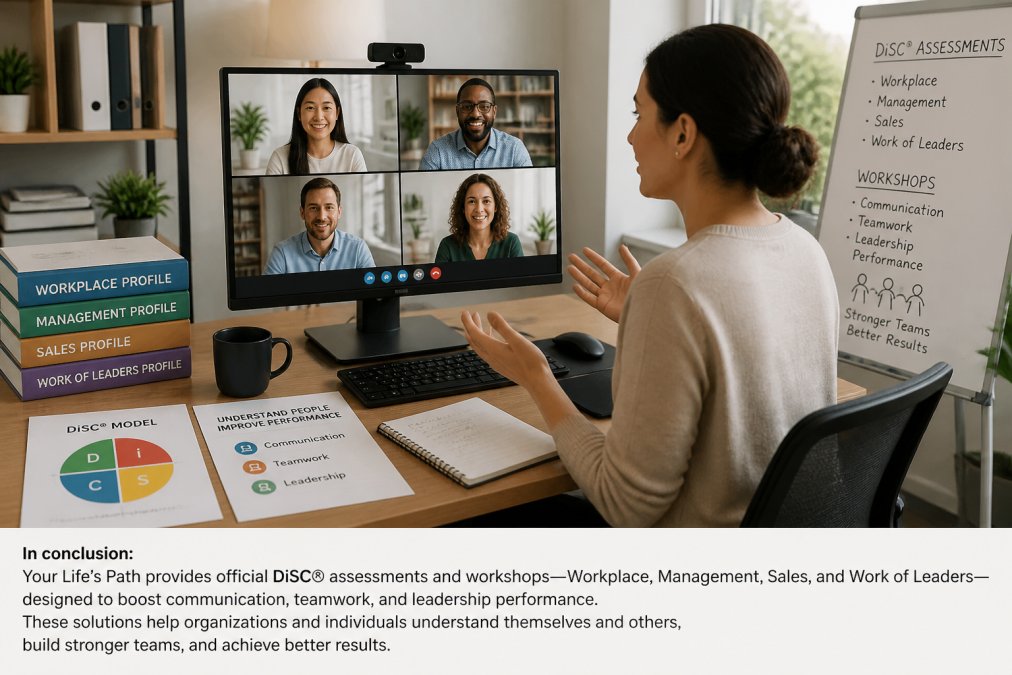
Professional creating professional development plans for remote employees in a bright modern clinical setting
Remote work removes the hallway conversations, the casual check-ins, and the visibility that traditionally fuel career growth, which is why professional development plans remote employees receive must be intentional and documented. Without deliberate planning, remote employees can feel stuck. They don’t know what skills matter most. They miss opportunities to stretch into new roles. And managers struggle to know who’s ready for the next level.
The fix is straightforward: build development into your remote management rhythm from day one. When you create clear, documented plans tied to business needs, remote employees understand exactly what success looks like. They stay engaged. They see a future with your organization.
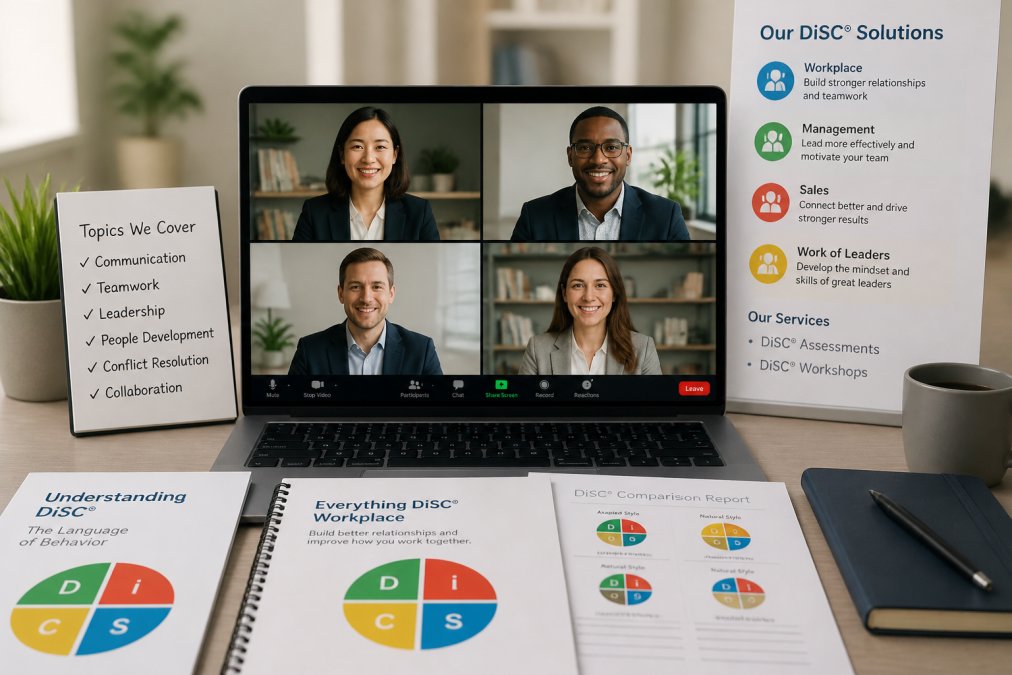
Research on continuing professional training shows that structured development influences whether employees stay or leave. At Your Life’s Path, we provide official DiSC® assessments and workshops designed to boost communication, teamwork, and leadership performance.
Step 1: Assess Skills and Identify Development Gaps
Start by getting honest about where your remote employee stands right now. Integrating Behavioral Assessments Into Leadership Coaching helps you objectively identify skill gaps and development needs. This isn’t about blame. It’s about clarity.
Integrating Behavioral Assessments Into Leadership Coaching helps you objectively identify skill gaps. Look at:
- Current role competencies: What does this job actually require? List the core skills, knowledge areas, and behavioral strengths needed to perform at a high level.
- Actual performance: Where is the employee excelling? Where are they struggling? Use real examples from recent projects, client feedback, or team interactions.
- Future role requirements: If this person is moving toward a leadership role, a different department, or a specialized function, what new capabilities must they build?
- Learning style and preferences: Does this person prefer hands-on experience, structured courses, peer mentoring, or self-paced learning? Remote work demands flexibility here.
The conversation itself matters. Many managers skip this step or rush it. But when you sit down (virtually) and ask, “What skills do you want to build?” and “Where do you feel stuck?”, you often uncover gaps the job description never mentioned.
Use behavioral assessments to complement this conversation. The DiSC Workplace Profile is one of the official DiSC® assessments offered by Your Life’s Path.
Step 2: Set SMART Career Goals Aligned with Business Objectives
Remote employees need clear targets. Vague aspirations like “improve leadership” or “get better at communication” don’t drive action.
SMART goals make the difference:
- Specific: “Lead a cross-functional project for the new product launch” (not “improve leadership”)
- Measurable: “Complete three advanced Excel certifications by June 30” (not “get better with data”)
- Achievable: Stretch goals matter, but they must be realistic given the employee’s current capacity and resources
- Relevant: Does this goal serve the employee’s career path AND the business’s needs? If it only serves one, reconsider it
- Time-bound: Set a deadline. Without one, development drifts indefinitely
The best goals align personal growth with business priorities. An employee wants to move into account management. Your organization needs stronger customer retention. That’s alignment. They build the skills you need while pursuing their own advancement.
How to Conduct Effective Remote One-on-One Meetings teaches managers how to have the conversations where these goals get set and refined. The one-on-one is where development becomes real.
Document these goals in writing. Share them. Revisit them every quarter. Remote employees need this visibility more than co-located teams do, it’s how they know they’re on track.
Step 3: Choose Learning Activities and Development Resources
Not every goal requires expensive training. In fact, the most powerful development often happens through experience, not courses.
Build a mix of activities:
- On-the-job learning: Stretch assignments, project leadership, cross-functional collaboration. These build real skills in real time.
- Mentoring and coaching: Pair the employee with an internal mentor or external coach. For remote teams, structured check-ins matter, don’t assume mentoring happens organically.
- Formal training: Online courses, certifications, workshops. Choose based on the specific gap. A sales manager needing to improve coaching skills could consider a Virtual Workshop.
- Self-paced learning: Books, podcasts, webinars. These work well for remote employees who prefer control over their learning schedule.
- Peer learning: Communities of practice, lunch-and-learns, peer shadowing. Remote teams can do this through video calls and shared digital spaces.
The key is variety. Different people learn differently. Different skills require different methods. A technical skill might demand hands-on practice. A behavioral skill, like giving feedback or managing conflict, benefits from coaching and reflection.
Budget matters, but it doesn’t have to be large. Many powerful development activities cost little or nothing. The investment is time and attention.
Using an Employee Development Plan Template
A template keeps your plans consistent and ensures nothing gets missed. Here’s what a solid structure includes:
|
Section |
Purpose |
Example |
|---|---|---|
|
Employee & Role |
Identifies who and their current position |
Sarah Chen, Senior Account Manager |
|
Assessment Summary |
Current skills, gaps, strengths |
Strong client relationships, needs data analysis skills |
|
Career Goals (12-24 months) |
Where the employee wants to grow |
Move into Account Director role within 18 months |
|
Development Goals |
Specific, SMART targets tied to career goals |
Complete advanced Excel certification by June 30 |
|
Learning Activities |
How goals will be achieved |
Online course (4 weeks), monthly coaching with manager |
|
Timeline & Milestones |
When activities happen and progress checkpoints |
Start course in November, complete by January; coaching monthly |
|
Success Measures |
How you’ll know the goal was achieved |
Certification earned; applies new skills to 3 client analyses; manager observes improved confidence |
|
Manager Responsibilities |
What support the manager provides |
Weekly coaching, access to training budget, real-world practice opportunities |
|
Employee Responsibilities |
What the employee commits to |
Complete course modules on schedule, apply learning to actual work, attend coaching sessions |
Keep it simple. A two-page document is better than a ten-page form that never gets used. The goal is clarity and accountability, not bureaucracy.
Professional Development Plan Examples for Remote Roles
Example 1: Remote Customer Support Specialist
Goal: Transition into team lead role within 12 months.
Development needs: Leadership fundamentals, conflict resolution, performance coaching.
Activities: Leadership workshop (online, 3 days), monthly one-on-one coaching with manager, lead one small project, read one leadership book per quarter.
Timeline: Workshop in Q1, coaching ongoing, project assignment in Q2, first team-lead role trial in Q4.
Example 2: Remote Software Developer
Goal: Become a technical architect.
Development needs: System design, mentoring skills, business acumen.
Activities: Architecture certification course (self-paced, 8 weeks), mentor two junior developers, attend quarterly architecture review meetings, read industry publications.
Timeline: Certification by end of Q2, mentoring ongoing, architecture review participation starting Q1.
Example 3: Remote Sales Manager
Take The Official DiSC® Assessment Online Now! →
Goal: Improve team’s close rate and reduce turnover.
Development needs: Coaching skills, sales methodology mastery, team dynamics.
Activities: Sales coaching certification, monthly peer coaching with another manager, attend sales methodology refresher, conduct monthly skill-building sessions with team.
Timeline: Certification by Q2, peer coaching ongoing, team sessions starting immediately.
The pattern is consistent: clear goal, specific skills to build, realistic activities, defined timeline, measurable outcomes.
Career Development Plan Questions to Guide the Conversation
These questions help managers and employees move beyond surface-level discussion into real development planning:
On current performance:
- What are you doing well in your current role?
- Where do you feel most challenged?
- What feedback have you heard from peers or clients?
On career aspirations:
- Where do you want to be in two years? Five years?
- What type of work energizes you?
- What skills do you want to build?
On obstacles:
- What’s holding you back from moving forward?
- What support do you need from me?
- What concerns do you have about your development?
On learning:
- How do you learn best, through doing, reading, coaching, or something else?
- What’s worked well for your development in the past?
- What hasn’t worked?
On alignment:
- How does your growth path connect to our team’s needs?
- What business challenges could you help solve by building these skills?
- How will this development make you more valuable to the organization?
How to Facilitate Difficult Conversations Using Personality Insights helps managers navigate these conversations with confidence. Understanding behavioral styles means you can frame development feedback in a way each person actually hears. Tailoring this communication style also extends to the technical environment, where establishing clear protocols to secure personal devices ensures that professional growth remains protected from external vulnerabilities.
Employee Development Best Practices for Distributed Workforces
Remote teams need development practices tailored to how they actually work, and to who gets left out. The biggest risk in distributed development isn’t disengagement; it’s inequity. Employees who are less visible, in distant time zones, or managing caregiving responsibilities can quietly fall behind while others accumulate opportunities. The practices below address both effectiveness and fairness.
Counter visibility bias
In-office employees get development opportunities through proximity: they’re in the room when a stretch project is assigned, they overhear a leader mention a need. Remote employees don’t. Counter this deliberately:
- Rotate stretch assignments: Keep a shared log of who has led which projects and review it quarterly. If the same two people appear repeatedly, redistribute.
- Make opportunities public: Post project openings, mentoring slots, and training nominations in a shared channel rather than assigning them in private conversations.
- Track who gets coaching: Review participation data by role, tenure, and location. Gaps reveal bias faster than anecdotes do.
Design for time-zone and caregiving constraints
A live workshop at 9 a.m. Eastern excludes the employee in Pacific time who handles school drop-off. Build options:
- Record everything: Record live sessions and share within 24 hours. Require facilitators to caption recordings.
- Offer asynchronous equivalents: For every synchronous activity, provide a self-paced alternative that covers the same content.
- Rotate meeting times: If live attendance is required, rotate the schedule so the same time zone isn’t always disadvantaged.
- Respect focus blocks: Avoid scheduling development activities during an employee’s declared deep-work hours; ask rather than assume.
Ensure accessibility
Accessibility is part of equitable access. Confirm that learning platforms support screen readers, that videos have captions and transcripts, and that materials meet contrast and navigation standards. Ask employees what accommodations they need rather than waiting for requests.
Use learning analytics responsibly
Engagement data can improve development, or become surveillance. Set clear boundaries:
- Use aggregate data for program decisions: Track completion and participation rates at the team or cohort level to identify gaps in access.
- Avoid individual surveillance: Don’t monitor login times, video-watching behavior, or keystroke activity. Development conversations should feel psychologically safe.
- Be transparent: Tell employees what data is collected, why, and who sees it. Publish a short data-use statement.
How to Foster Psychological Safety in Remote Teams creates the environment where employees feel safe admitting skill gaps and taking risks. Without psychological safety, even the best development plan sits dormant. People won’t speak up about what they need to learn, and they won’t try new things.
Connect development to advancement, explicitly
If development plans exist but don’t influence promotions or raises, they feel performative. Make the connection explicit: “Complete this certification and you’re eligible for the senior role.” “Master this skill and we’ll adjust your compensation.” State the criteria in writing so the path is visible to everyone, not just those who ask.
Building a Development Culture: Measuring Outcomes and Tracking Progress
Development plans fail when they’re created and then forgotten. For remote teams, the risk is higher: without hallway reminders or visible growth, plans quietly stall. Measurement and tracking keep them alive, but only if you measure the right things and build a workflow that works across time zones.
Measure outcomes, not course completions
Most learning platforms report completion rates. That’s activity, not development. A completed course tells you someone logged in; it doesn’t tell you whether they can do something new. Shift your indicators toward demonstrated capability:
- Demonstrated skills: Can the employee now perform a task they couldn’t before? Ask for a work sample, a recorded presentation, or a peer review that confirms the skill in practice.
- Project outcomes: Did the development work show up in results? A sales manager who completed coaching training should show measurable movement in team close rates or rep retention over the following two quarters.
- Internal mobility: Track how many development-plan participants moved into new roles, led cross-functional projects, or took on expanded scope within 12-18 months. This is the clearest signal that plans are working.
- Time to proficiency: For role transitions, measure how long it takes someone to reach expected performance in the new role compared with prior transitions. A shortening trend suggests development is accelerating readiness.
Build an asynchronous tracking workflow
Remote teams can’t rely on impromptu check-ins. Design a lightweight cadence that works across schedules:
- Monthly written check-in (15 minutes): The employee updates a shared document with three fields, what I did, what I learned, what I need. The manager responds in writing within two business days. This creates a record and removes time-zone friction.
- Quarterly live review (30-45 minutes): A structured conversation to review outcomes against the plan, adjust goals, and confirm next steps. Use video and a shared screen so both parties see the same document.
- Milestone alerts: Set calendar reminders for certification deadlines, project completions, and coaching sessions. Automate where possible so nothing depends on memory.
Ask outcome-focused questions
Replace “How’s the course going?” with questions that surface application:
- What can you do now that you couldn’t do three months ago?
- Where have you applied this skill in your actual work?
- What project outcome changed because of this development?
- What’s still hard, and what support would help?
Training Cost Benefit Analysis: How to Calculate ROI helps you connect development spending to business results. You don’t need complex formulas, simple comparisons work: Is this person more effective? Are they staying longer? Are they ready for the next role sooner?
Adjust and celebrate
If an activity isn’t working, change it. If a goal becomes irrelevant, reset it. Development plans are living documents. When someone hits a milestone or applies new learning successfully, acknowledge it publicly, in team meetings, Slack channels, or company updates. Remote employees need visible proof that development matters, and recognition provides it.
Conclusion
Professional development plans for remote employees aren’t optional, they’re essential infrastructure for engagement, retention, and growth. The practices outlined here work because they’re intentional, equitable, and tied to real outcomes. They require investment in conversation, tracking, and sometimes tools that make development visible across distributed teams.
Start with assessment and clear goals. Choose learning activities that match how people actually learn. Track demonstrated capability, not just completion. Build equity into your process so opportunity isn’t determined by visibility or time zone. And consider the DiSC Workplace Profile and Virtual Workshops.
A documented development plan, reviewed regularly and adjusted as needed, sends that message. It says: “We see you. We know where you want to go. We’re going to help you get there.” That’s how remote teams stay connected, grow stronger, and build the kind of culture where people choose to stay.
Frequently Asked Questions
How do you develop a professional development plan for a remote employee?
Start with a skills assessment to identify current competencies and gaps. Work with the employee to set SMART career goals aligned with business objectives. Choose learning activities that fit remote delivery—online courses, virtual coaching, or self-paced resources. Document the plan in writing, assign clear timelines and milestones, and schedule regular check-ins to track progress. Use behavioral insights tools like DiSC assessments to understand behavioral drivers.
What should remote employees include in their professional development plan?
Include current skills and strengths, identified skill gaps, specific career goals (written as SMART objectives), learning activities and resources, timeline with milestones, how progress will be measured, and support from their manager. Remote employees should also clarify how development aligns with business objectives and internal mobility opportunities. A well-structured employee development plan template ensures nothing is missed and creates accountability.
How often should managers review a professional development plan with remote employees?
Schedule formal reviews at least quarterly, with informal check-ins monthly. Quarterly reviews allow time to assess progress on milestones, adjust goals if needed, and celebrate wins. Monthly conversations keep development top-of-mind and catch obstacles early. This cadence is especially important for remote teams where face-to-face interaction is limited; regular touchpoints signal that professional growth is a priority.
What are examples of professional development goals for remote employees?
Examples include mastering a new software tool within 60 days, completing a certification in their field by year-end, leading a cross-functional project to build leadership skills, shadowing a senior colleague to learn best practices, or improving communication effectiveness through coaching. Goals should be specific, measurable, and tied to both career growth and business needs. Professional development plan examples and templates can help teams organize goals.
